

Keywords
inequality
resources
rural
urban
neighborhood and geographic contexts
census
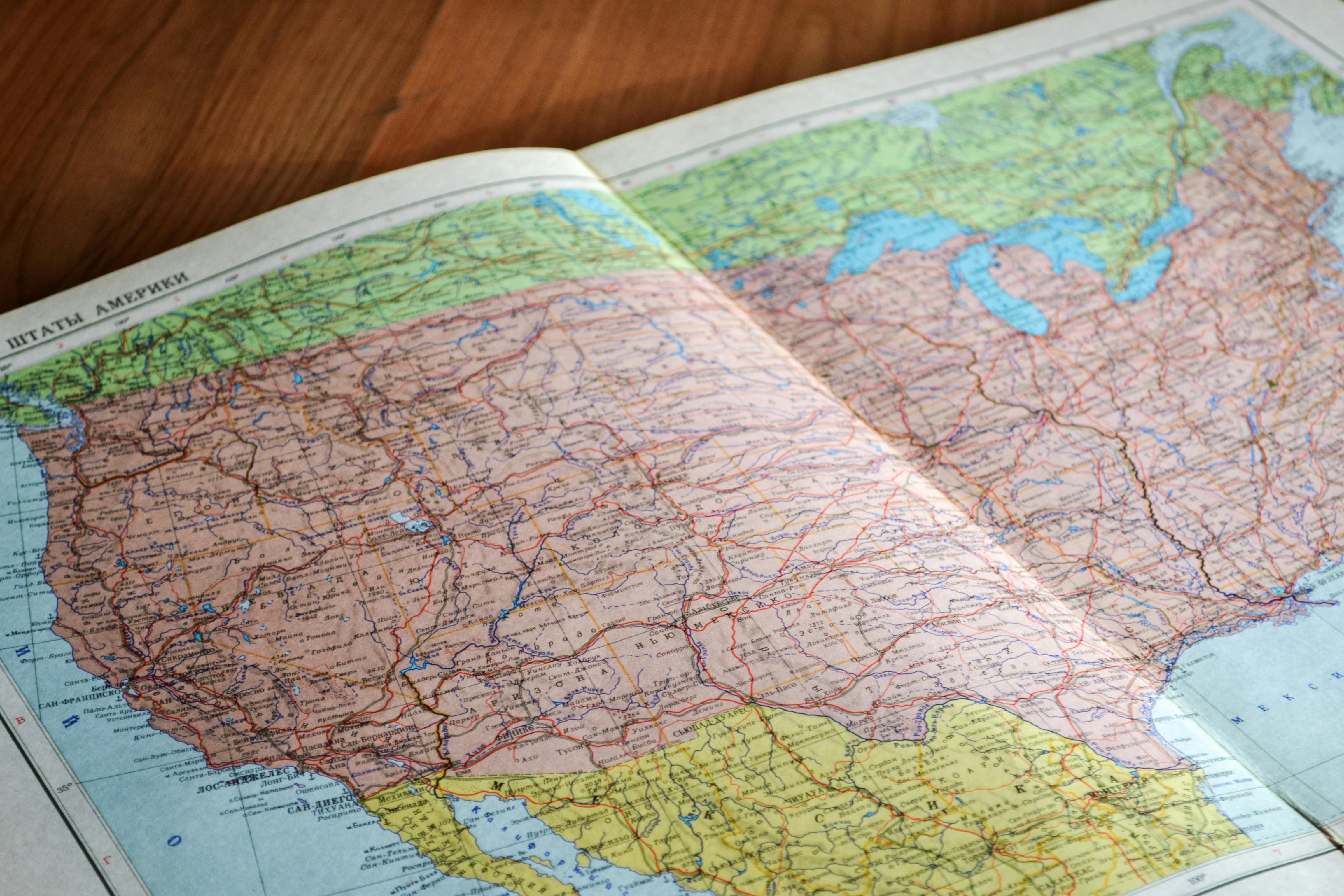
map
How to Cite
Abstract
This self-directed research activity introduces students to the relationship between place, resource access, and inequality through comparison of urban and rural communities in different regions in the United States. The activity—which is designed for courses such as Intro to Sociology, Social Stratification, Sociology of Poverty, and Social...
Download this resource to see full details. Download this resource to see full details.
Details
- Subject Area(s):
- Introduction to Sociology/Social Problems, Rural Sociology, Stratification/Mobility
- Resource Type(s):
- Assignment, Class Activity
- Class Level(s):
- Any Level
- Class Size(s):
- Any
Usage Notes
Ideal class size: This activity can be performed with anywhere from two students to a mid-sized class (around twenty-five students). For larger groups, students could be assigned specific roles to facilitate participation and distribute the workload evenly among group members.
Prior learning: Students should learn about inequality and...
Download this resource to see full details. Download this resource to see full details.
Learning Goals and Assessments
Learning Goal(s):
- Students will understand social inequalities as they relate to place.
- Students will demonstrate their knowledge of inequalities as they relate to place though developing inferences related to their place-specific findings.
-
Students will access and use Google Maps and Census websites as resources for place
information.
Goal Assessment(s):
- Students will fill out worksheets with information about place characteristics.
- Students will write a brief report on their findings and inferences.
- Students will relate their findings and inferences to course readings/content.
- Students will participate in a group discussion on place and inequality during which they present and compare their findings/inferences.
When using resources from TRAILS, please include a clear and legible citation.